
Launching a mobile app is an exciting step for any business. Whether you’re looking to improve customer engagement, streamline internal processes, or create a new revenue stream, investing in mobile app development can unlock powerful growth opportunities. But before you jump into coding and design, there’s one critical phase that determines success: planning.
Too many businesses rush into development without clearly defining their goals, audience, or strategy. The result? Delays, budget overruns and apps that fail to deliver results. If you’re considering working with a mobile app development agency, asking the right questions upfront will save time, money and frustration.
Here’s a practical guide to help you plan your first app the right way.
1. What problem is my app solving?
Every successful app starts with a clear purpose. Before exploring features or design concepts, ask yourself:
- What challenge does my target audience face?
- How does my app provide a better solution than existing alternatives?
- Is this problem significant enough that users would download and regularly use my app?
Strong app design and development begins with identifying real user needs. If your app does not solve a specific problem or improve convenience, it may struggle to gain traction. Whether it’s simplifying online bookings, improving customer support, or enabling secure transactions, clarity of purpose sets the foundation.
2. Who is my target audience?
Understanding your users is essential. A retail app targeting young adults will look and function differently from a logistics app built for corporate clients.
Ask yourself:
- What is the age range of my users?
- What devices do they primarily use?
- What level of tech familiarity do they have?
- What motivates them to engage with mobile apps?
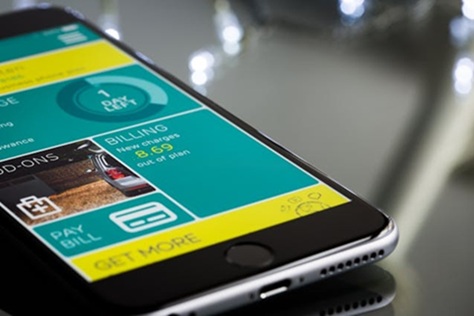
A professional app creation service will conduct user research, create personas and map user journeys to ensure the app experience feels intuitive and relevant.
3. What are my business goals?
Your app should align with measurable business objectives. Without defined goals, it becomes difficult to evaluate performance.
Common objectives include:
- Increasing sales or bookings
- Improving customer retention
- Reducing operational costs
- Enhancing brand visibility
- Generating recurring revenue
Clear goals guide feature selection and development priorities. For example, if your goal is to boost sales, your app development services should prioritize smooth checkout processes and secure payment integration.
Find out what is integrated marketing communications and why every Guyana business needs it.
4. What features are essential — and what can wait?
One of the biggest mistakes in first-time mobile app development is trying to include too many features at launch. This often leads to delays and inflated costs.
Instead, focus on a Minimum Viable Product (MVP). An MVP includes only the core features necessary to deliver value.
Ask:
- What is the primary function of the app?
- Which features directly support that function?
- What can be added in future updates?
By launching with essential functionality first, businesses can gather user feedback and refine the app over time.
5. Should I build for iOS, Android, or both?
Platform selection is a strategic decision. In many markets, Android devices dominate, but iOS users often have higher spending power. Your target audience and budget will influence this choice.
A reputable mobile app development agency in Guyana can help assess whether:
- Native development (separate apps for each platform)
- Cross-platform development (one codebase for both platforms)
is the right solution for your business.
Cross-platform frameworks can reduce development costs, while native apps may offer superior performance and customization.
6. How will the app generate revenue?
If monetization is part of your strategy, you must determine how your app will make money.
Options include:
- Direct sales (e-commerce functionality)
- Subscription models
- In-app purchases
- Advertising
- Service fees
Even if the app supports your business indirectly (such as improving customer service), it should contribute to overall revenue growth.

Planning monetization early ensures the app design and development process supports long-term profitability.
7. How will I handle security and data privacy?
With growing concerns around data protection, security cannot be an afterthought. Your app may collect personal data, payment information, or location details.
Before development begins, consider:
- What data will the app collect?
- How will data be stored and encrypted?
- Are there compliance requirements to meet?
A trusted provider of app development services will implement secure coding practices and ensure your app meets industry standards.
8. What is my budget and timeline?
Clear expectations around budget and timelines prevent misunderstandings later. Development costs vary depending on complexity, platform choice and feature scope.
Discuss with your development partner:
- Estimated development phases
- Milestone timelines
- Testing and launch schedule
- Ongoing maintenance costs
Working with an experienced app creation service ensures transparency and realistic projections from the outset.
9. How will I promote My app?
Even the best app won’t succeed without a marketing strategy. App stores are crowded and visibility requires planning.
Consider:
- App Store Optimization (ASO)
- Social media promotion
- Paid advertising campaigns
- Email marketing
- Website integration
Many businesses benefit from partnering with a full-service mobile app development agency that also understands digital and traditional marketing strategies and can skillfully create an integrated marketing structure.
Read more on how a mobile application design company can transform your business.
10. What happens after launch?
Launch day is just the beginning. Successful mobile app development includes post-launch support, updates and performance monitoring.
Ongoing tasks include:
- Bug fixes
- Feature enhancements
- Security updates
- User feedback analysis
- Analytics tracking
Continuous improvement keeps your app competitive and relevant in a fast-changing market.
Planning is the most important stage of any app development project. By asking the right questions before development starts, you ensure that your app is purpose-driven, user-focused and strategically aligned with your business goals.
If you’re ready to transform your idea into a powerful digital solution, working with a trusted mobile app development agency in Guyana ensures your app design and development process is smooth, strategic and result-driven.
Contact us at Webfx to get started on your mobile app design and development journey.